
The Gap in Your Org Chart that Engagement Surveys Can’t Close
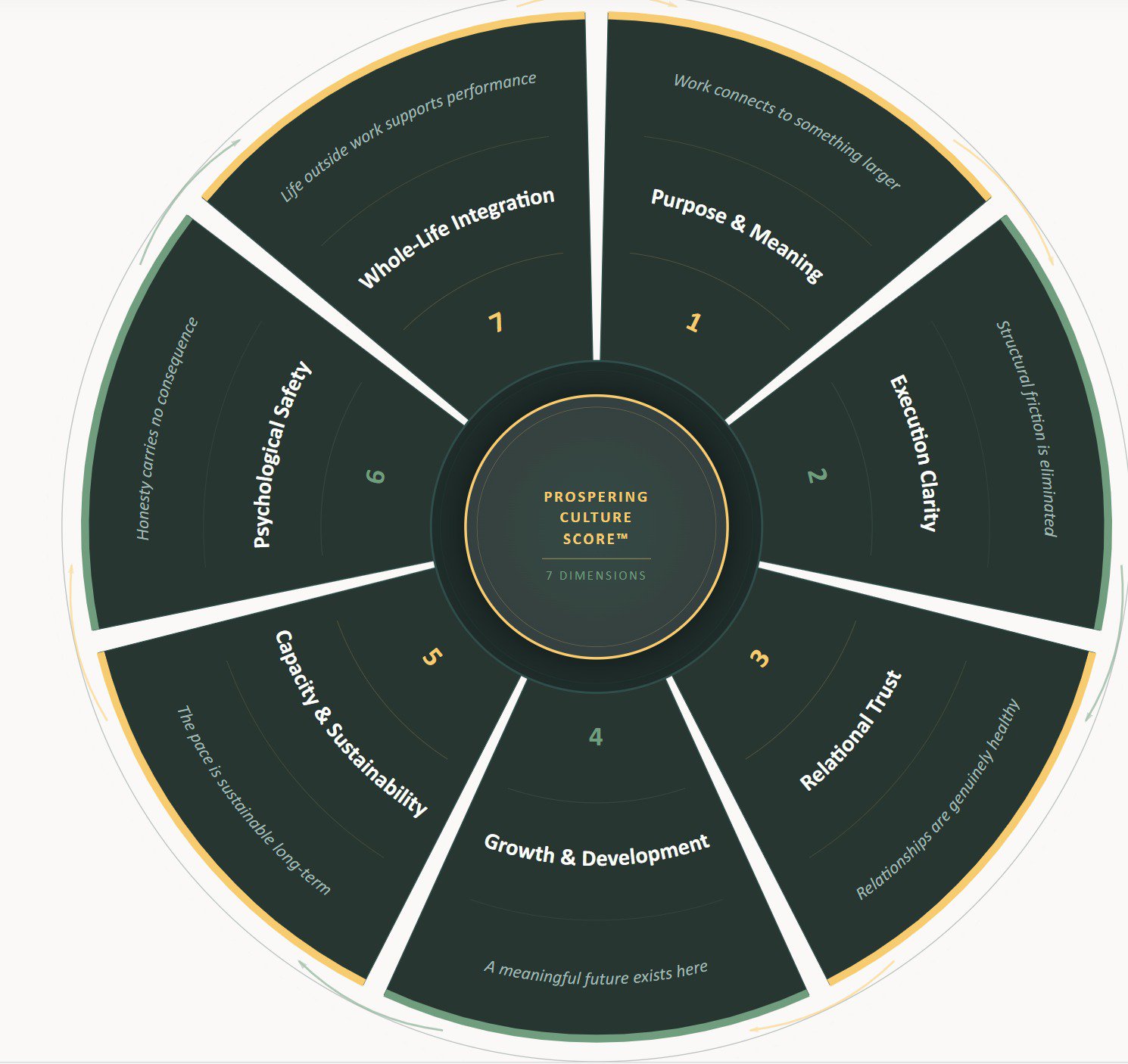
Have you ever considered . . . There's a version of your organization that exists on the org chart. And there's the version that actually runs things.
The informal networks. The relationships people actually rely on. The unwritten rules about who talks to whom, who holds information, and who actually has influence regardless of their title.
Something I've observed is that in high-trust organizations, these two versions are relatively aligned. Information flows. People say what they actually think. Problems surface early, when they're still small enough to solve without a crisis.
In low-trust organizations, the gap can be enormous. And most leaders don't know it — because the data they rely on doesn't tell them.
Here's the structural problem with traditional engagement surveys when it comes to trust: they ask people how they feel about working here. But when trust is low — when speaking honestly carries perceived risk — people don't say what they actually see. They give you the answer they believe is expected or safe. The organizations that most need accurate data about relational health are precisely the ones least likely to receive it through a standard survey.
The numbers on this are worth sitting with. The Edelman Trust Barometer found that only 23% of employees trust their senior leaders to be transparent and honest. That means in the average organization, more than three-quarters of the workforce is filtering every communication through a baseline assumption of skepticism — and reporting accordingly.
The financial implications are well documented. Watson Wyatt's landmark research found that high-trust organizations generate 286% higher total return to shareholders over a ten-year period than low-trust counterparts — not because they execute tactics better, but because trust reduces the transaction cost of every decision, communication, and commitment made across the organization.
Trust is not built by a team offsite alone. It is built by consistent behavior over time — and destroyed far faster than it is built.
The diagnostic question worth asking — not "do people like working here?" but whether the relationships that actually drive performance are healthy enough to carry honest information, surface real problems, and sustain commitment when things get hard — almost never appears in an engagement survey.
It's why I developed the Prospering Culture Score: to measure the seven structural conditions that either make performance possible or quietly make it impossible.
Full framework at https://lnkd.in/eUTT_Pwq. The e-book is free.
When people prosper, organizations perform.